Room Makeover Ideas on a Budget
Room makeover ideas on a budget should start with a spending decision, not a shopping cart. Pick the problem you most want to fix: a dark corner, an awkward bed position or a room that never looks settled. Then decide which existing items can stay and which single change would make the biggest practical difference.
Use a photo to compare concepts before you buy. The tool below can suggest a direction for your own room, but results vary and pictured products may not exist. It cannot replace measurements, contractors or a licensed designer. Treat the result as a way to narrow choices, not an estimate of renovation costs.
By FreeAIRoomDesign · Published and updated 2026-10-21
Your room. A new perspective.
1 free image / dayRoom makeover ideas on a budget start with an inventory
Walk around with a notebook and list the furniture, lamps, rugs and textiles you already own. Mark each item keep, relocate, repair or replace. A lamp in a spare room may solve the dark corner without a purchase. Bedding in a closet might coordinate better than the set currently on the bed.
Separate functional problems from preferences. A broken drawer needs attention before matching accessories. A dresser with a finish you dislike may still work well with different bedding beside it. Avoid buying containers before you sort their contents. Knowing what you actually need to store helps you avoid a cabinet that is cheap but too shallow or too large.
Set a total that includes the uninteresting costs
Write down the maximum you can spend on this room now. Reserve room within it for delivery, tax, assembly, light bulbs, rug pads and disposal where needed. Compare the full delivered price of a piece with the cost of repairing what you have. A sale price means little if the return freight makes an unsuitable purchase difficult to undo.
Choose one priority purchase and give it a limit. For a bedroom, that might be better bedside lighting rather than a new bed frame. For a living room, it might be a usable storage cabinet instead of decorative side tables. Keep a separate later list so ideas do not quietly turn into a larger commitment.
Rearrange before replacing anything large
Clear loose items and tape out a different arrangement. Check doors, drawers, outlets and the path you use most often. Move one substantial piece at a time with appropriate help. Photograph the room from the same angle after each change so you can compare scale rather than relying on memory.
Try removing a piece as well as moving one. Two little tables and a spare chair can consume the space needed for a comfortable route. If an object has no useful home elsewhere, decide whether to sell, donate or store it responsibly. A makeover that shifts clutter into another room has not solved the original problem.
Make textiles and light do a specific job
Choose a textile change that connects existing finishes. A bedspread can link a warm wood frame to cooler walls; curtains can repeat a quiet color from the rug. Bring swatches together in the actual room before ordering. Measure carefully, because inexpensive curtains still cost money to return or replace when their length is wrong.
Move existing lamps to test where extra light would help before buying another. Check bulb compatibility and use shades that control glare from where you sit. A single useful reading lamp can matter more than several decorative lights. Include required bulbs in the budget and avoid electrical alterations as an assumed low-cost decorating task.
Shop used with a measurement and condition checklist
Save the dimensions of the space on your phone, including delivery access. When viewing used furniture, check drawers, joints, missing hardware and signs of damage. Upholstered pieces need particular care when assessing cleanliness and condition. Ask questions and inspect in person when possible instead of assuming photographs show every issue.
Do not count on a quick coat of paint to fix everything. Preparation, compatible finishes, tools and a suitable workspace add cost and time. Skip repairs beyond your ability or safety knowledge. For a simple refresh, a sound piece in an acceptable finish may offer better value than a project that remains unfinished in the corner.
Translate one image into a short action list
Compare a restrained style with a more textured one using the same photo. Identify what attracts you: fewer objects, warmer wood, softer bedding or better lamp placement. The AI-generated sample rooms below demonstrate visual directions, not priced makeovers. Their furniture is not a purchasable product list and their apparent sizes are not specifications.
Pick three actions in order: one free move, one small purchase and one item to research later. Measure before each purchase and keep receipts until you have tried the item in place. If a concept changes architecture, ignore that part. Review your remaining budget after delivery and setup rather than adding accessories just because the room still has an empty surface.
Your next step
Before you buy
- Measure the furniture footprint, door openings and delivery route.
- Compare material samples in daylight and under your evening lights.
- Check the full price, care instructions and return terms.
AI-generated sample concepts
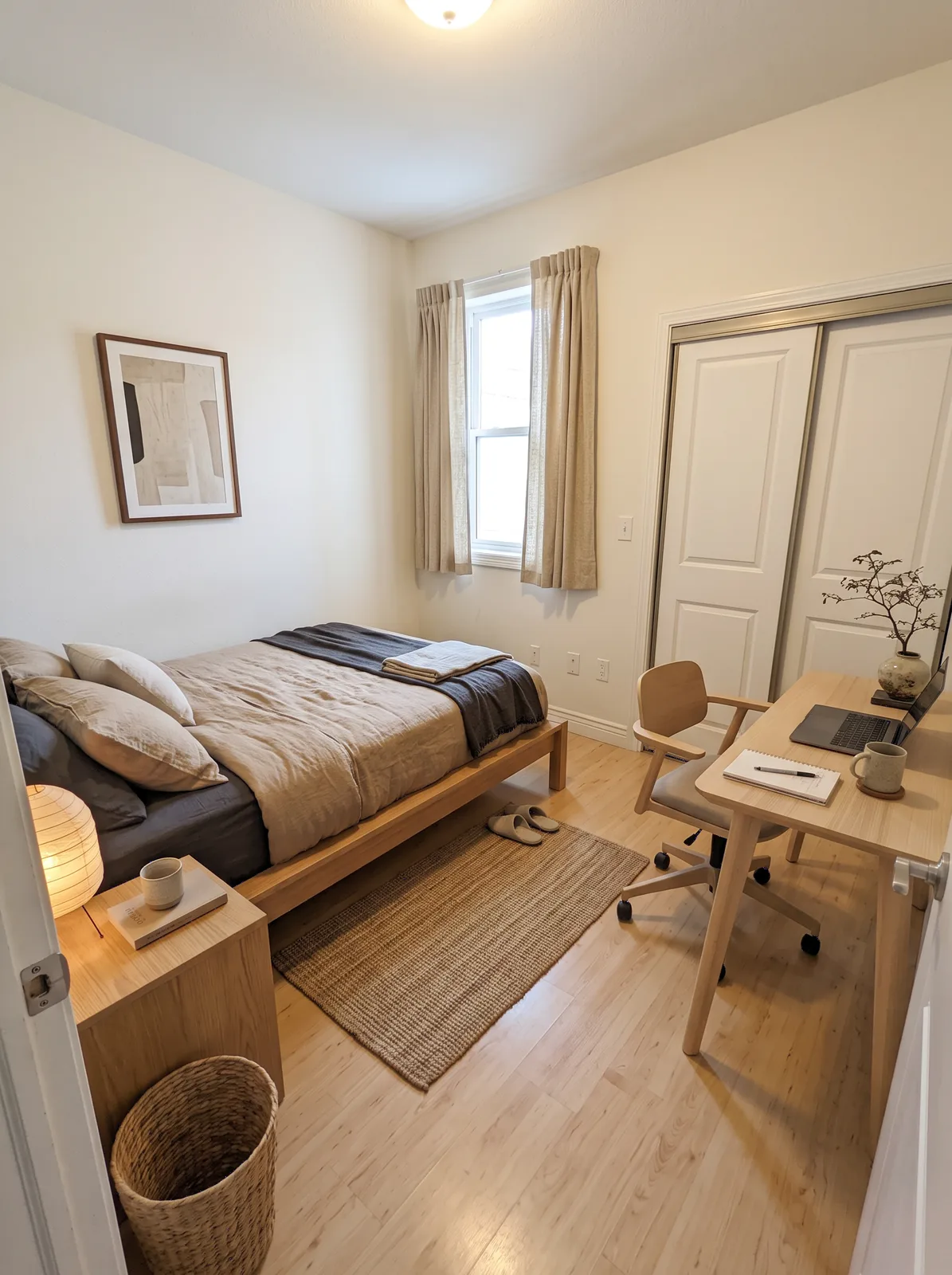
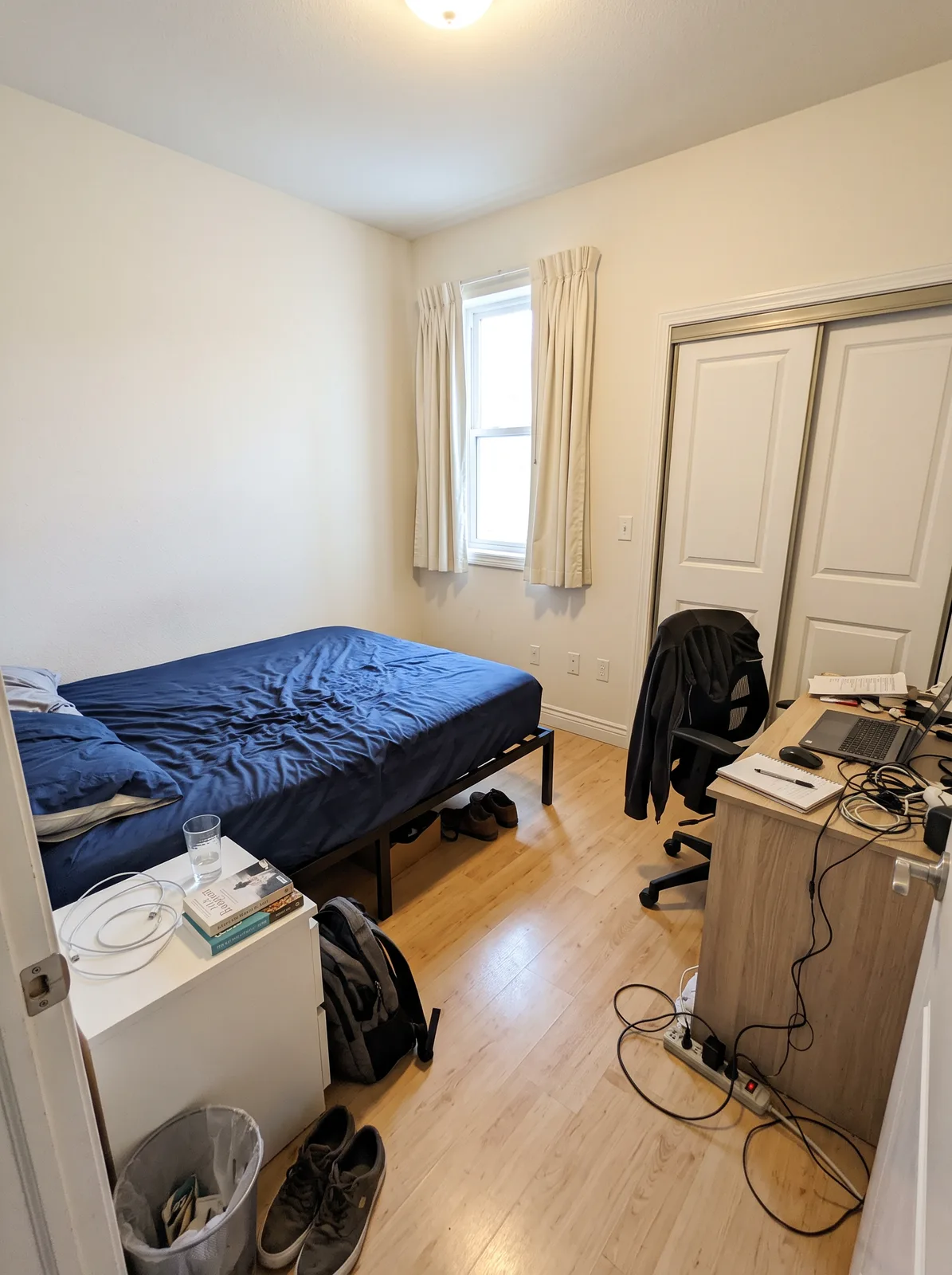 BeforeAfter
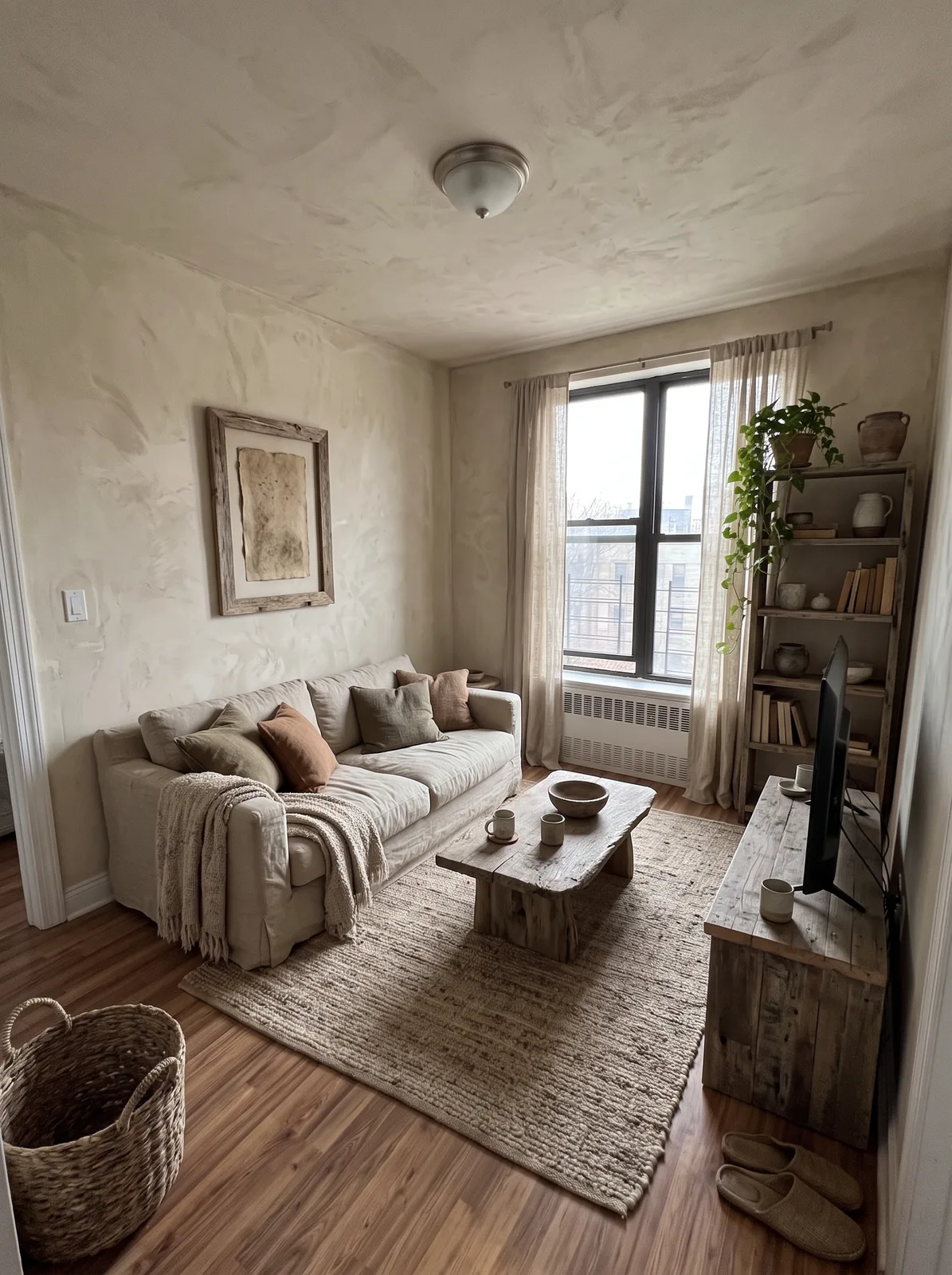
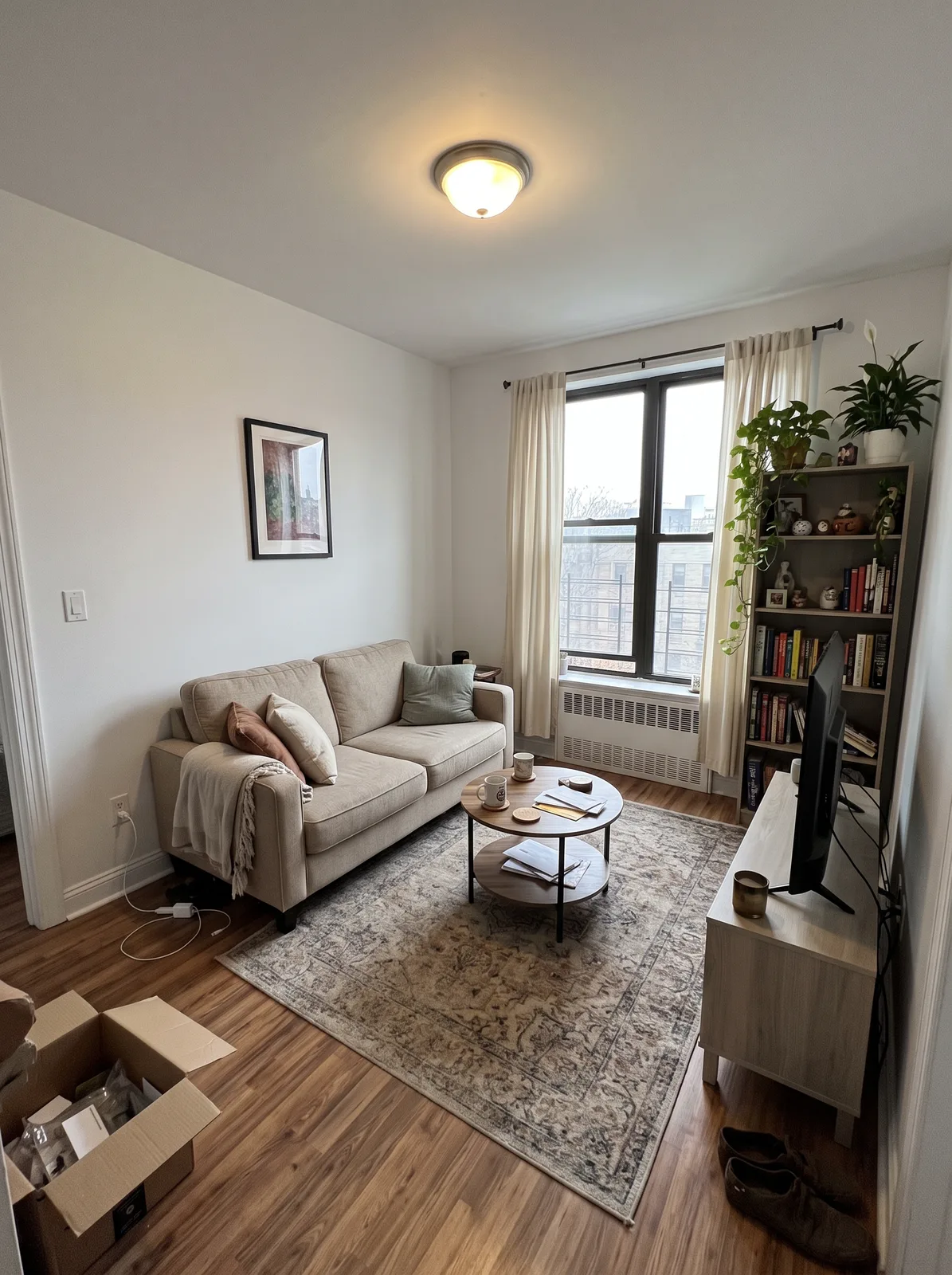 BeforeAfter
Questions about this approach
What should I change first with a limited budget?
Fix the daily annoyance first. Rearrange existing pieces, then consider lighting or textiles before replacing large furniture that still works.
Can the tool calculate the makeover cost?
No. It creates visual concepts. Get actual prices, delivery charges and professional quotes for anything you plan to buy or change.
Do I need a matching furniture set?
No. Connect existing pieces through color, scale or material, and buy only what serves a useful purpose in the measured room.