Renter-Friendly Decorating Ideas (No Painting, No Drilling)
Renter-friendly decorating ideas start with what you can move, remove and reuse. An apartment can feel personal even when you cannot paint the walls or drill into them. Rugs, freestanding lamps, curtains on suitable existing hardware and well-scaled furniture can change how it feels without a permanent renovation.
Take a clear photo and compare a few directions in the tool below. It shows concepts of your own room, not a lease-approved work plan. Results vary by photo; check dimensions, product instructions and permissions yourself. Images do not replace advice from contractors or a licensed designer when work requires one.
By FreeAIRoomDesign · Published and updated 2026-10-21
Your room. A new perspective.
1 free image / dayRenter-friendly decorating ideas begin with the lease
Read the decorating and restoration clauses before you shop. Keep a written list of what is already installed, including curtain rods, ceiling hooks and shelving. Photograph the condition at move-in and save written permission for any proposed change. A product described as removable can still damage paint, wallpaper or a fragile finish.
For a plan that needs no painting or drilling, build around freestanding pieces. A table lamp needs a safe outlet route; an open bookcase still needs installation and anchoring according to its manufacturer. If a piece requires wall fastening that your landlord will not allow, choose another piece. Do not trade stability for a temporary decorating solution.
Use a rug to work with flooring you cannot replace
Choose a rug that connects the main seating, rather than a tiny patch in the center of the room. Measure door clearance and inspect how a rug pad affects the total thickness. Check that the pad is suitable for the floor finish. Some backing materials can leave marks, and a curled corner can interrupt your walking route.
Bring color into the room through the rug, then repeat one of its quieter tones in pillows or curtains. If your apartment has warm beige walls and brown flooring, a rug with both warm and cool threads may connect them to a blue sofa. Order a sample where possible rather than judging only from a bright screen.
Make lighting portable and deliberate
Place light near the jobs you do: reading beside the sofa, working at a desk or setting down keys by the entrance. A floor lamp can add a different height without changing electrical fixtures. Check the base footprint and make sure it will not tip into the main route. Hide cords along appropriate edges without running them under rugs.
Look for controls you can reach easily. A beautiful lamp becomes annoying if you must crawl behind a chair each night to turn it on. If you use a smart bulb, check compatibility with the lamp and any existing dimmer. Avoid planning hardwired sconces or pendant replacements as part of a no-drilling decorating scheme.
Soften windows without improvising unsafe hardware
Use existing curtain rods when they are suitable and you have permission. Measure rod width, the drop to the floor and clearance from heaters. Fuller curtains can soften a room, but fabric must not touch equipment that needs ventilation or heat clearance. Check the care label if condensation or frequent washing is likely.
Tension rods may work in some openings for lightweight fabric, but follow the product’s load and surface requirements. Do not assume they are suitable for every window or heavy drapery. If no reliable mounting option exists, focus on bedding, rugs and upholstered furniture instead. You can still create a connected palette without covering every window with new fabric.
Buy pieces that can survive your next move
A small cabinet can become entry storage now and bedroom storage later. A narrow console may work behind a sofa or against a hallway wall. Before buying, record dimensions and think of a second possible use. Extremely fitted furniture can be difficult to reuse when your next apartment has different doors, radiators or wall lengths.
Secondhand furniture is worth considering when you can inspect condition, joinery and odor before purchase. Include transport in the price. Measure stairs and doorways, and check whether the item can be taken apart safely. Skip damaged pieces that require repairs beyond your skills; an inexpensive cabinet is not a bargain if it cannot be used securely.
Turn the visual concept into a reversible plan
Take the same photo after moving your current furniture and compare it with your starting point. In the tool, look for ideas in textiles, portable lighting and furniture silhouettes. Ignore any result that changes built-in cabinets, flooring, walls or windows if those changes are outside your permission. The samples below are AI-generated rooms, not documented rental transformations.
Create three lists: keep, move and buy later. Put a spending limit beside the last list and include delivery, pads and light bulbs. Save instructions and packaging for anything described as removable. A successful rental refresh should be pleasant now and manageable at move-out, without relying on damage-free claims that have not been tested on your surfaces.
Your next step
Before you buy
- Measure the furniture footprint, door openings and delivery route.
- Compare material samples in daylight and under your evening lights.
- Check the full price, care instructions and return terms.
AI-generated sample concepts
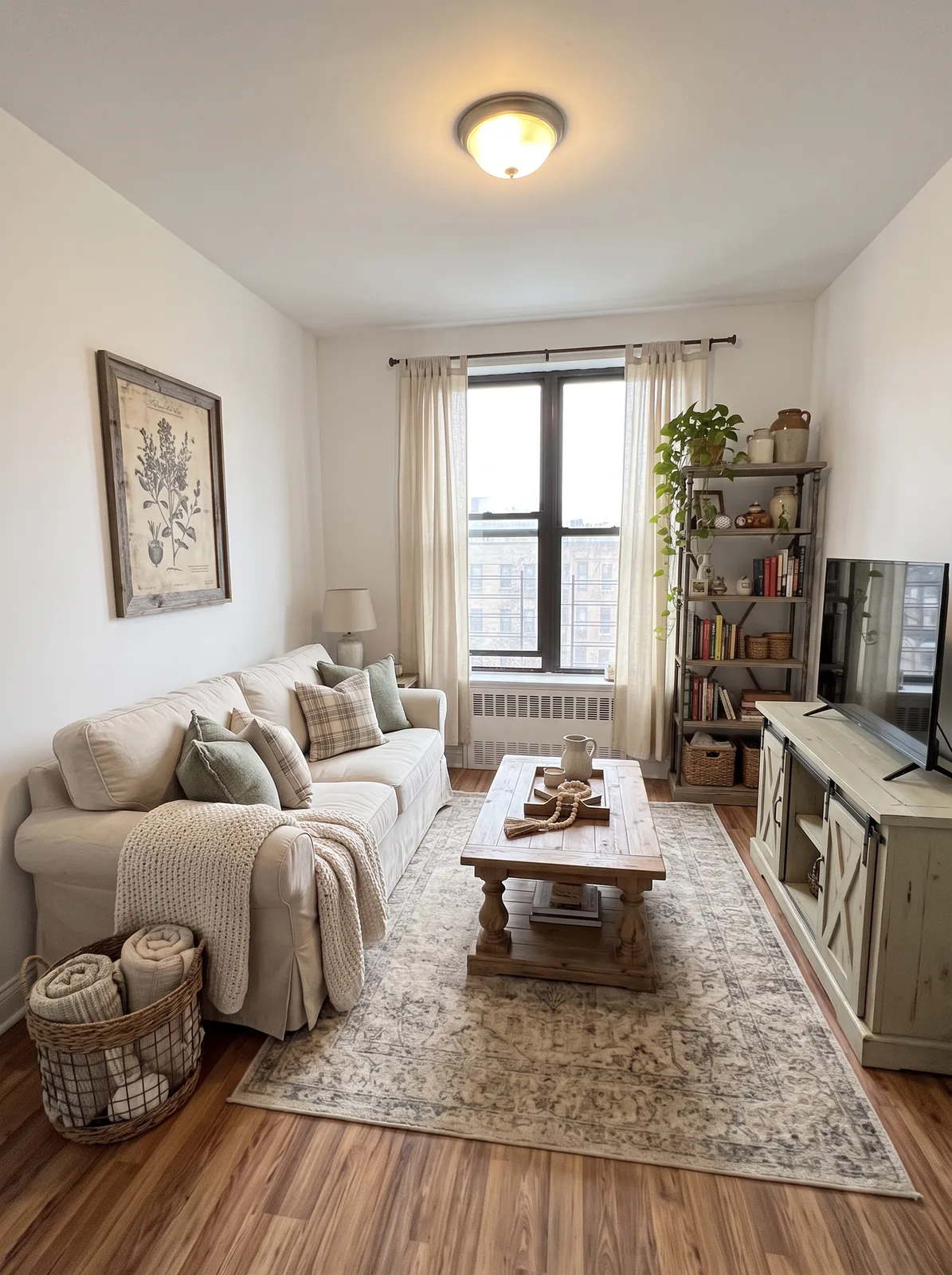
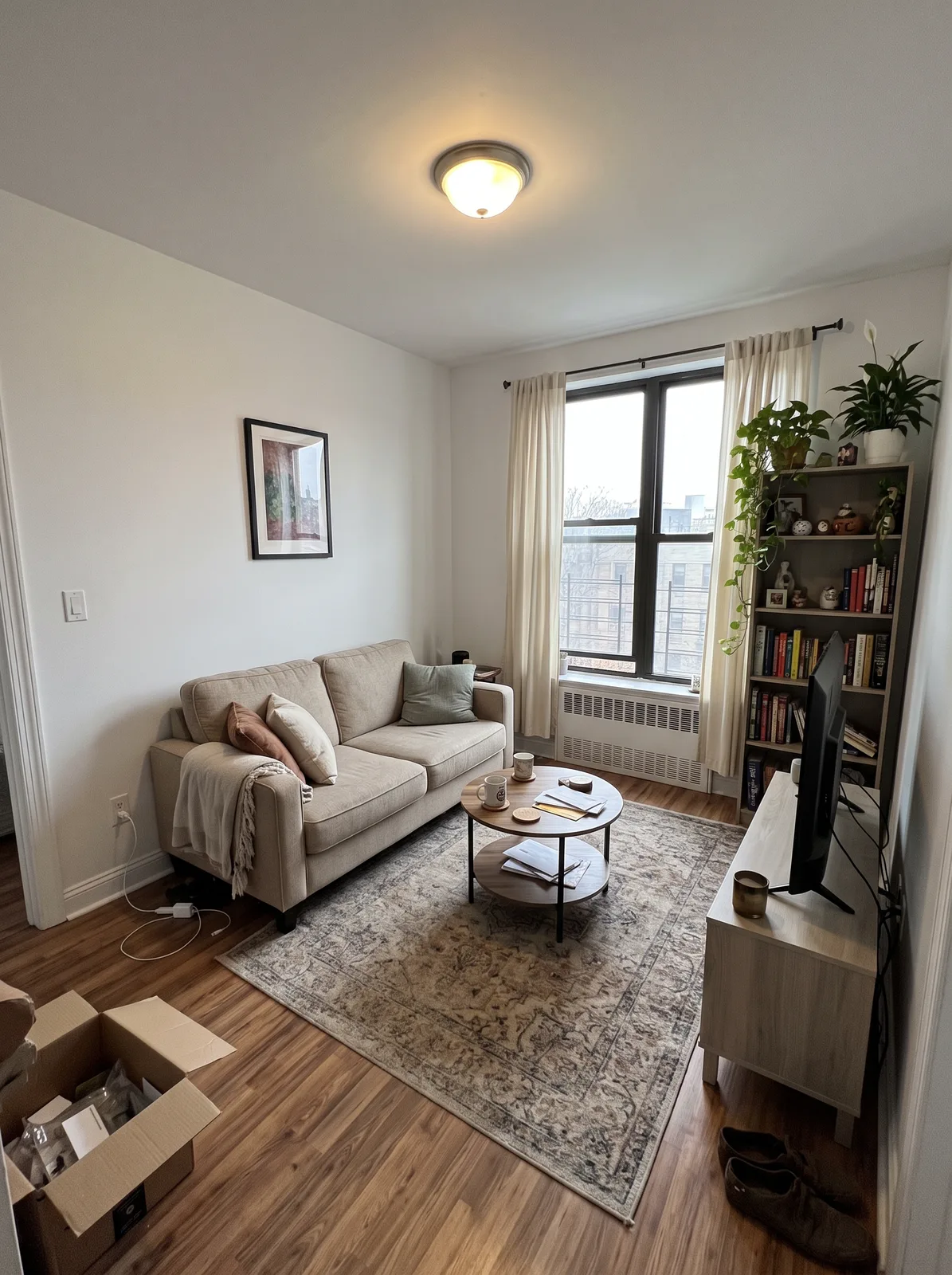 BeforeAfter
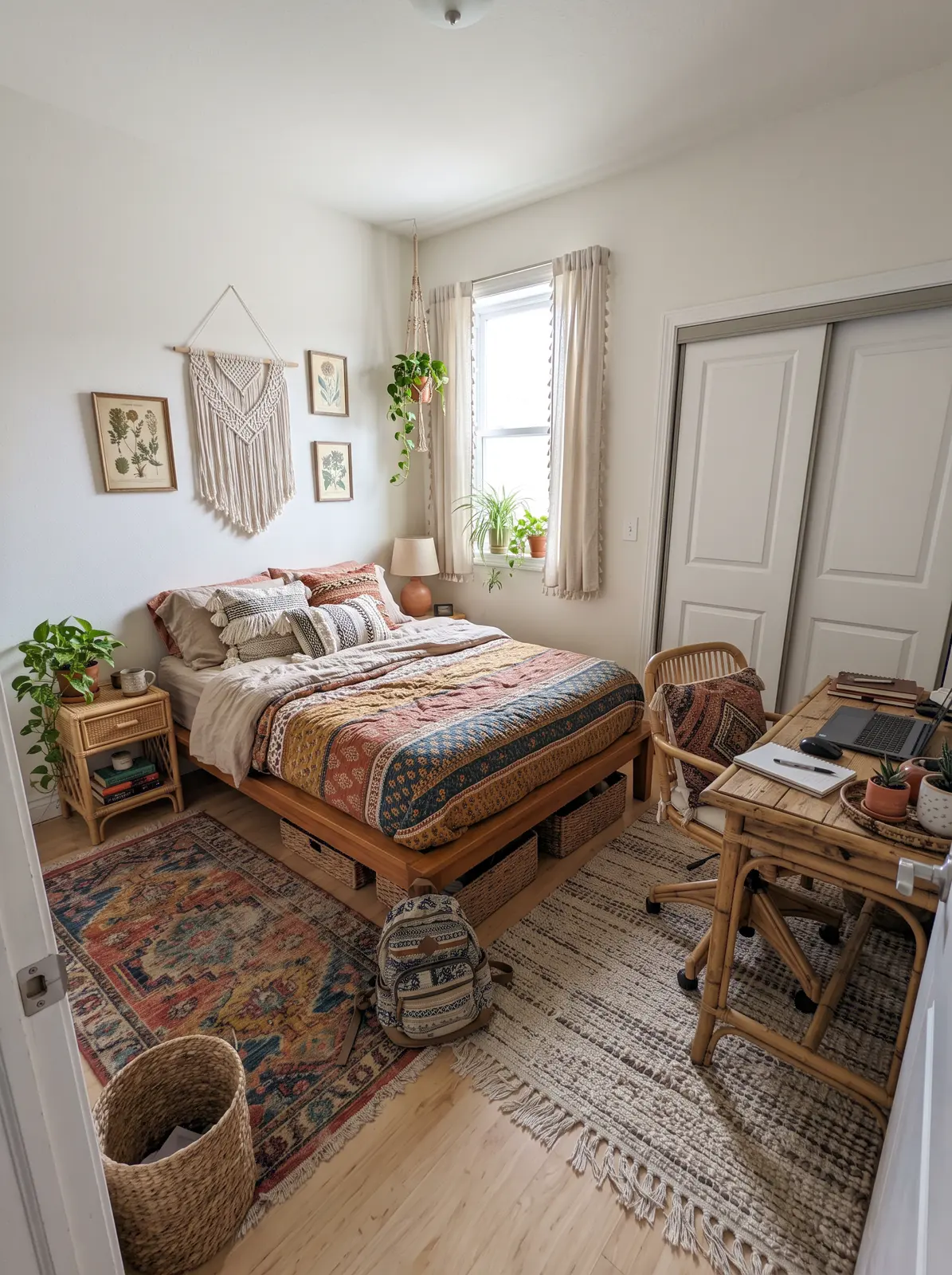
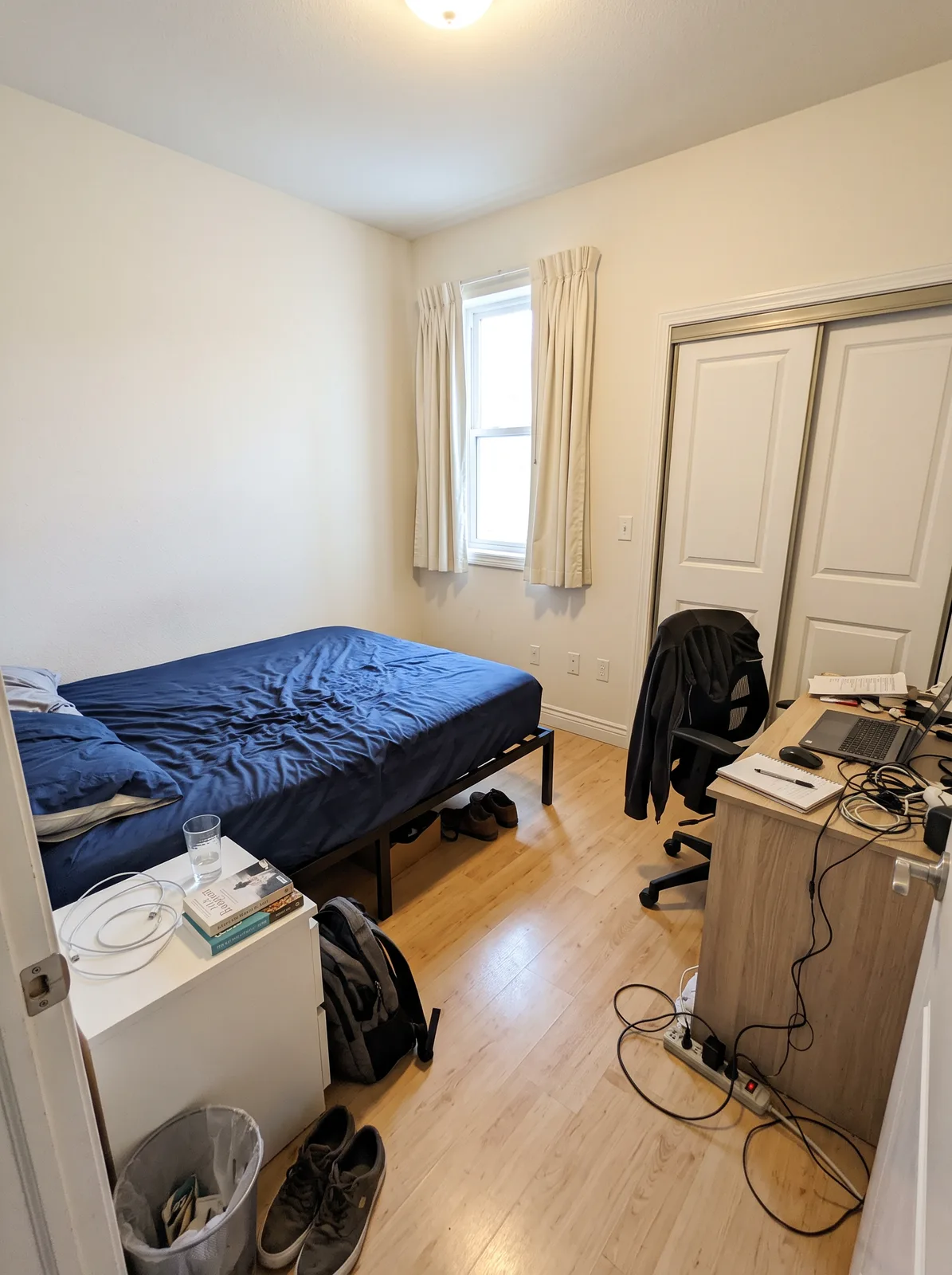 BeforeAfter
Questions about this approach
Are peel-and-stick products always safe for rentals?
No. Adhesives can damage finishes. Check your lease, get permission and follow the product’s surface and removal instructions before trying one.
How can I decorate without wall art?
Use a larger rug, interesting lamps, patterned bedding or objects on sturdy furniture. Avoid placing heavy loose objects where they can fall.
Can I use the AI without planning permanent changes?
Yes. Focus on movable furniture and textiles. Disregard any generated architectural or built-in changes that do not fit your rental permissions.