Mid-Century Modern vs Modern Interior Design
Mid-century modern vs modern interior design can be confusing because store labels overlap. In practical decorating, mid-century modern usually suggests recognizable period-inspired shapes, expressive wood furniture and accents with character. A modern room may use a quieter mix of clean silhouettes, smooth finishes and less emphasis on a particular era.
Start with the pieces you own and the atmosphere you want. The tool below shows concepts on your own photo, not verified products or measured layouts. Results vary by photo and can change architectural details. Use them to compare a direction, then check measurements and consult contractors or a licensed designer when your project needs professional planning.
By FreeAIRoomDesign · Published and updated 2026-10-21
Your room. A new perspective.
1 free image / dayMid-century modern vs modern: compare the silhouettes
Look at a sideboard, chair and sofa before studying the accessories. Mid-century-inspired furniture often has tapered legs, clearly expressed wood frames and rounded or sculptural details. A modern concept may favor broader simple planes, discreet storage and less visually distinctive legs. Both can use uncluttered arrangements, and neither requires a room stripped of personal belongings.
The words on a retailer’s product page are less useful than dimensions and shape. A chair labeled modern might sit comfortably beside a vintage-inspired cabinet. Ask which forms you want to repeat: curved backs, slim raised bases or low rectangular volumes. Repeating a few shapes can connect mixed furniture without buying an entire coordinated collection.
Work with the wood tone already in your room
Walnut and teak-like tones are familiar in mid-century-inspired rooms, often paired with olive, rust or mustard accents. Modern rooms can use warm wood too, alongside glass, metal or smooth painted finishes. Choose a main wood tone from your existing furniture and test additional pieces beside it instead of trying to match them from photographs.
You can mix woods if the difference looks intentional. Repeat the darker tone in a frame or table rather than introducing a new finish on every item. Examine samples in your room’s daylight. A heavily orange floor may need a quieter rug to connect it with a red-brown cabinet. Do not assume all warm finishes automatically work together.
Make expressive furniture earn its floor space
A sculptural lounge chair can be a focal point, but its angled legs and reclining back may need more space than expected. Measure the widest footprint and check how you move behind it. For a compact living room, compare a smaller chair and ottoman with one large recliner. Check comfort in person when possible rather than judging by its silhouette.
Simple modern storage can help balance a busier statement piece. A closed cabinet keeps remotes, chargers and games out of view, leaving the chair or table to stand out. If all your furniture already has a strong shape, try quieter textiles before adding another focal point. The goal is a useful seating area, not a showroom vignette.
Compare lamps as objects and as sources of light
Mid-century-inspired lighting may use globes, arched stems or directional shades. Modern lighting can be sculptural too, but may be more understated. In either case, check where the light lands from your normal seat. An exposed bulb that looks good in a catalog can create uncomfortable glare at eye level.
Map the outlets and the route of each cord. Check floor-lamp bases against walking paths and test whether switches are easy to reach. Table lamps are a reversible way to explore the difference between styles. Do not include rewiring or a new ceiling fixture in a simple decor plan without checking the installation requirements and who is qualified to perform the work.
Keep a room from becoming a period costume
You do not need a vintage version of every object. Pair one wood cabinet with a comfortable contemporary sofa, then connect them with a rug or a repeated color. If you like modern restraint, retain a favorite older piece and reduce competing accents around it. Personal books and artwork can belong in either direction when they have deliberate space.
Check maintenance as carefully as appearance when buying secondhand. Inspect joints, drawers, upholstery and missing parts. Budget for delivery and any qualified repairs. Avoid assuming a valuable-looking object is authentic or that refinishing it will be simple. Style can guide a search, but the actual condition and suitability of the furniture should decide the purchase.
Compare your own photo rather than two different rooms
The sample images below use different AI-generated source rooms. They show visual characteristics, not a controlled comparison in identical conditions. For a closer comparison, upload the same photo and try both style selections. Keep the camera angle consistent and review the original whenever a result seems to create extra floor space.
Write down the details you prefer in each concept: the leg shape, the warmth of wood, the calmer storage wall or the lamp placement. Translate those observations into a small list of measurable changes. If the best answer is a modern sofa beside a mid-century-inspired cabinet, keep it. A label is helpful when it narrows your choices, not when it forces you to discard furniture that works.
Your next step
Before you buy
- Measure the furniture footprint, door openings and delivery route.
- Compare material samples in daylight and under your evening lights.
- Check the full price, care instructions and return terms.
AI-generated sample concepts
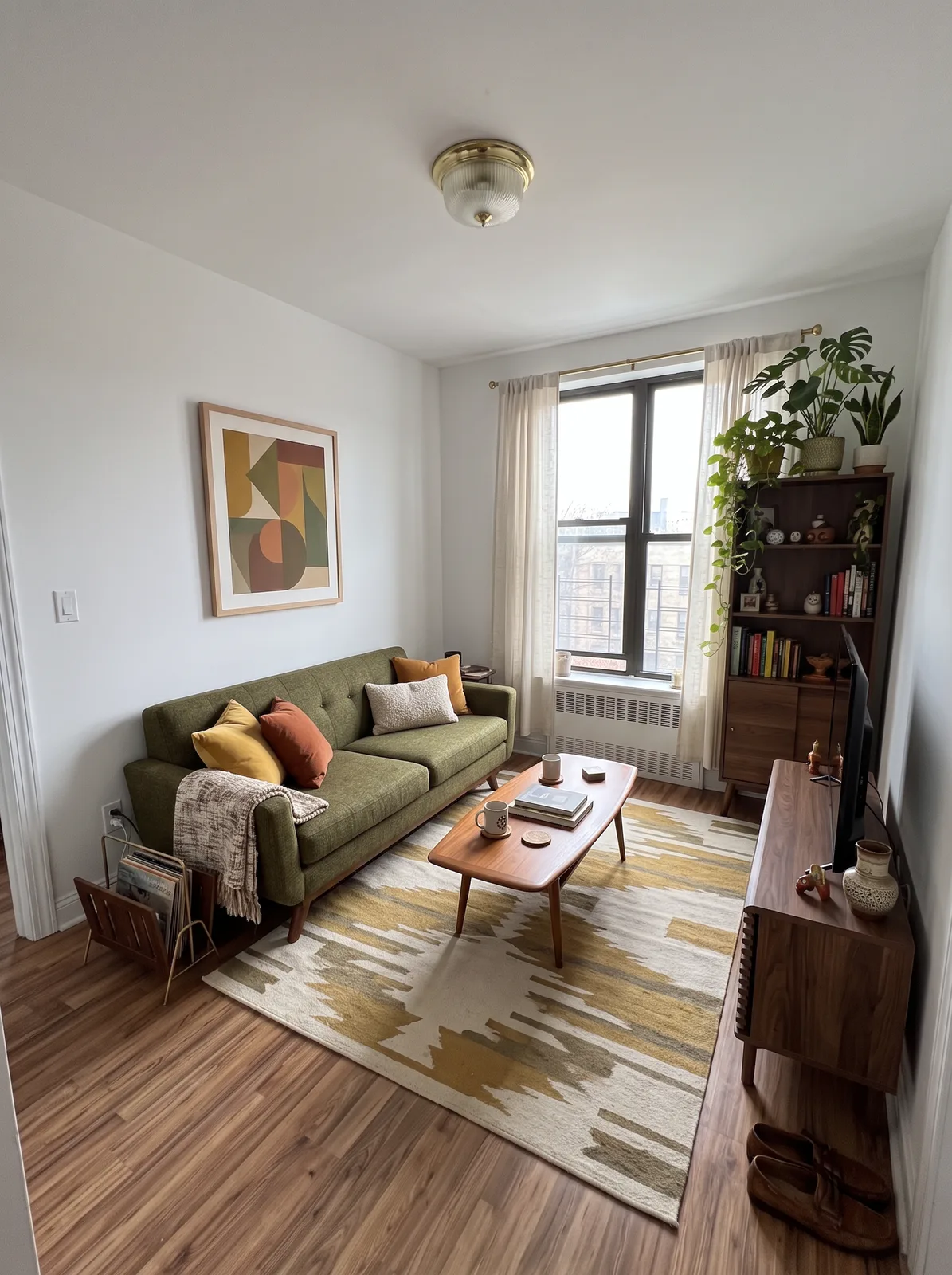
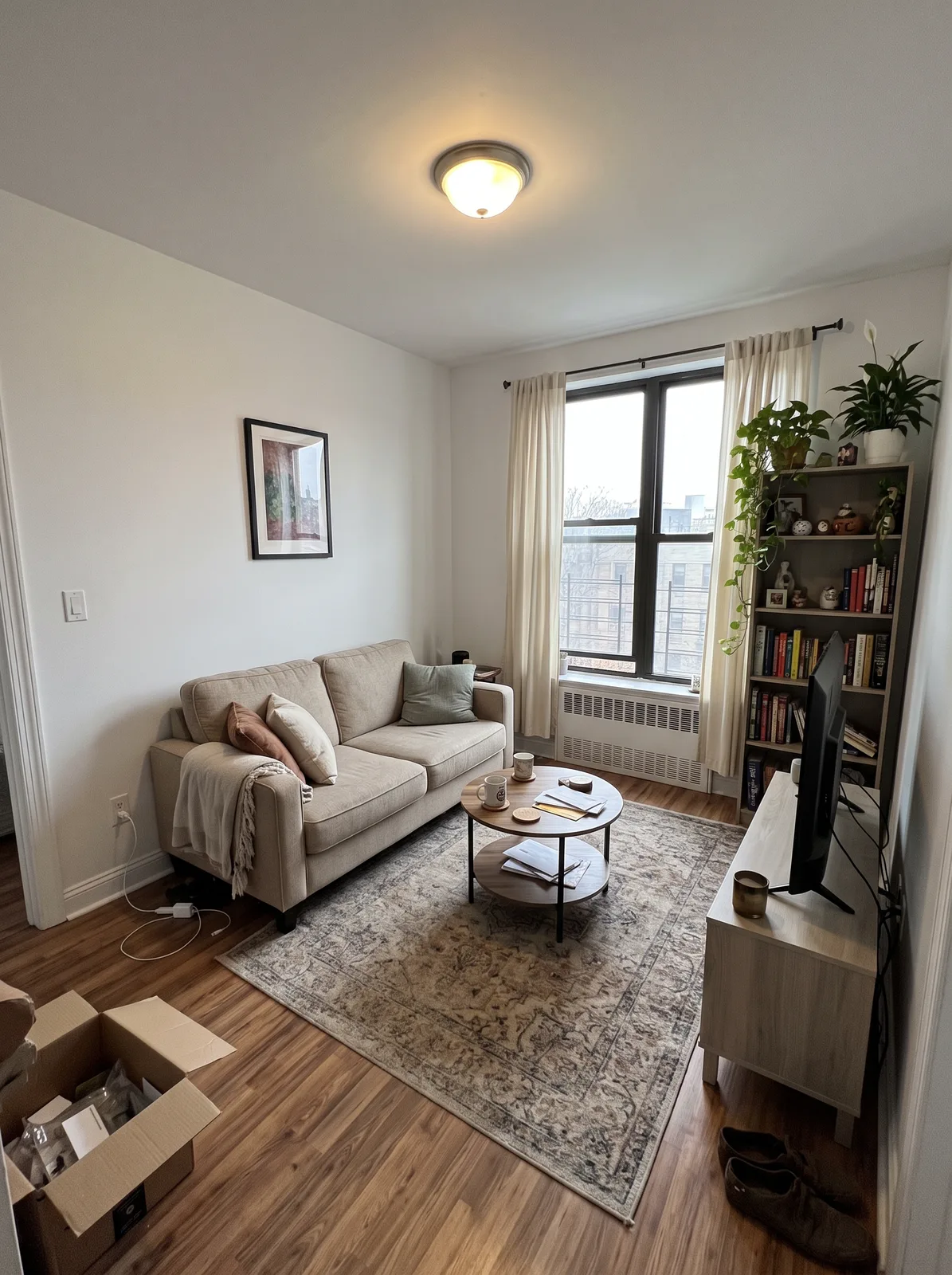 BeforeAfter
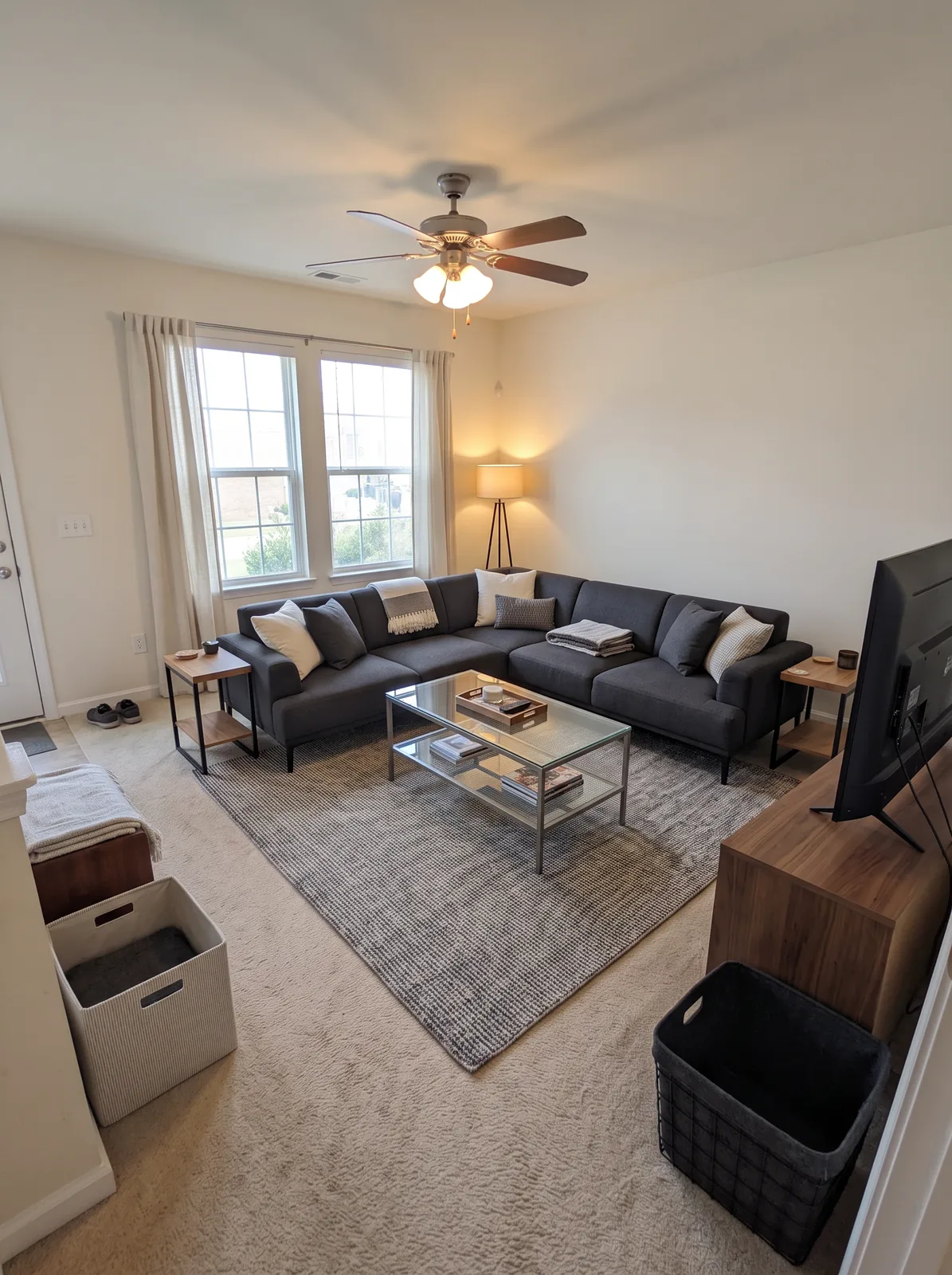
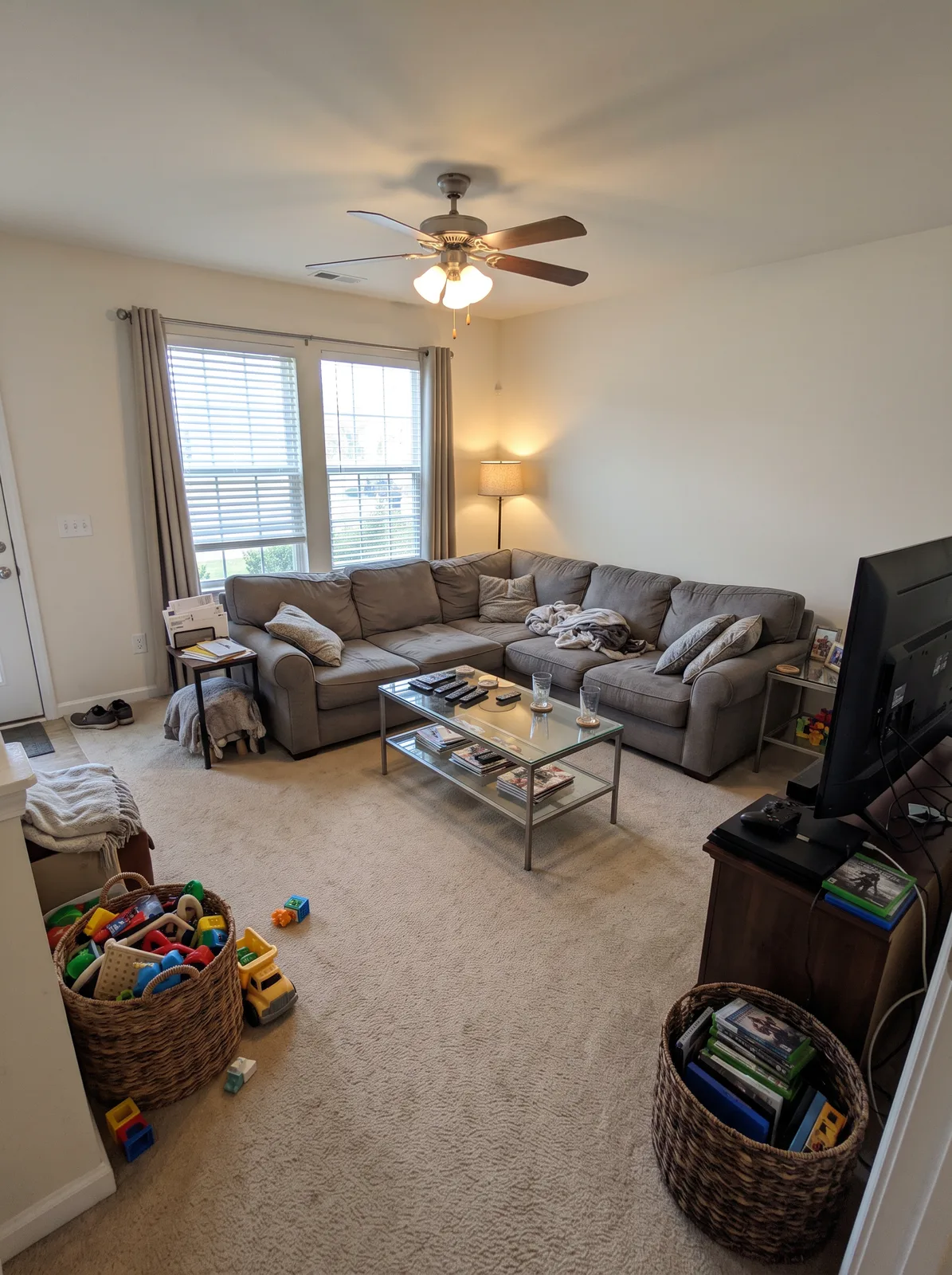 BeforeAfter
Questions about this approach
Does modern mean the same thing as contemporary?
The terms often overlap in shopping. Contemporary describes current directions, while modern can refer to established clean-lined design. Compare actual forms and materials rather than relying on labels alone.
Can I mix mid-century and modern furniture?
Yes. Connect pieces through scale, wood tone, repeated shapes or color. Keep enough open space around the stronger silhouettes.
Do I need authentic vintage furniture?
No. Choose sound, comfortable pieces that fit your budget. Check dimensions and condition rather than buying for a claimed era alone.